

Are you planning your ideal European getaway? Italy’s most beautiful destinations offer eternal romance, stunning landscapes, and rich culture year-round. From colorful villages perched on seaside cliffs to Renaissance-era cities teeming with art, Italy seamlessly combines history and natural beauty like no other place. Visitors can stroll along cobblestone streets, marvel at renowned architecture, and savor genuine cuisine while exploring scenery that looks like a postcard.

Most Beautiful Destinations in Italy
Italy brings together world-famous art, stunning natural landscapes, and historic sites. From mountain peaks to coastal waters, the country offers diverse experiences that appeal to travelers of all types. Whether you visit ancient ruins, Renaissance cities, or seaside villages, each destination has its own character and appeal.
This guide covers 12 destinations that showcase Italy’s diverse beauty, from well-known landmarks to dramatic natural settings.
Whether you crave coastal sunsets, rolling vineyards, alpine lakes, or ancient ruins, Italy delivers diverse experiences in one country. Each region reveals a different personality — elegant, dramatic, rustic, or glamorous — making it a perfect destination for couples, photographers, and first-time visitors alike.
You’ll find options that include coastal areas, countryside regions, historic cities, and mountain landscapes. Each location provides different activities and sights to explore during your visit.

1) Venice and its canals
Venice stands out as one of Italy’s most remarkable cities, built entirely on water. The city sits on over 100 small islands connected by more than 400 bridges.
The Grand Canal serves as Venice’s main waterway, winding through the heart of the city. You can travel along this famous canal by gondola or waterbus to see the historic palaces and buildings lining the water’s edge.
Beyond the Grand Canal, you’ll find countless smaller canals throughout Venice. These narrow waterways lead you through quiet neighborhoods where locals go about their daily lives. Getting lost among these canals often reveals charming squares and hidden corners away from tourist crowds.
The Rialto Bridge and Bridge of Sighs rank among Venice’s most photographed landmarks. St. Mark’s Square and the Basilica of St. Mark offer stunning examples of Byzantine architecture.
Venice requires no cars or roads. Instead, boats serve as the main form of transportation, creating a unique atmosphere you won’t find anywhere else in the world.
2) Amalfi Coast
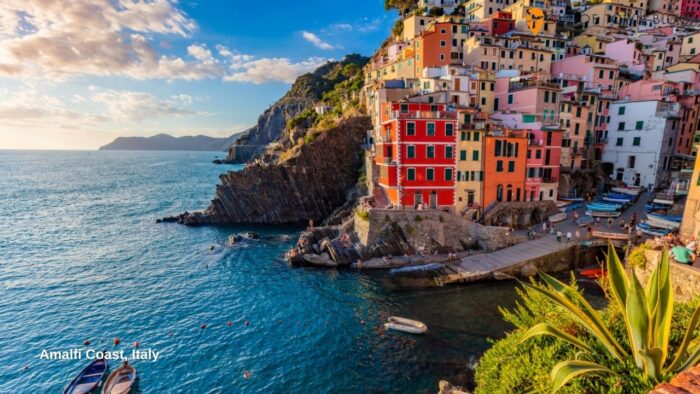
The Amalfi Coast stretches along southern Italy’s coastline in the Campania region near Naples. You’ll find dramatic cliffs rising above the Tyrrhenian Sea with colorful towns perched on the hillsides.
This UNESCO World Heritage site features winding coastal roads that connect charming villages. Each town offers its own character and attractions.
Positano draws visitors with its pastel-colored houses cascading down to the beach. The town of Amalfi, named for the coast, features historic architecture, including its famous cathedral.
Ravello sits high in the hills and provides stunning views of the coastline below. Smaller towns like Atrani and Praiano offer quieter experiences away from the main tourist crowds.
You can explore the coast by car, bus, or ferry during the warmer months. The narrow coastal road provides scenic views but requires careful driving. Local ferries offer an easier way to travel between towns while enjoying sea views.
The region is known for its lemons, fresh seafood, and Mediterranean cuisine.

3) Tuscany countryside
The Tuscany countryside offers rolling hills covered in vineyards, cypress-lined roads, and medieval villages perched on hilltops. This region in central Italy is known for its natural beauty and authentic Italian atmosphere.
You can explore small towns scattered throughout the green landscape. Many of these villages date back centuries and feature historic architecture and local charm. The countryside includes areas like Chianti, famous for wine production.
The region provides opportunities to visit family-run farms, taste local wines, and see traditional Tuscan life. You’ll find stone farmhouses, olive groves, and sunflower fields, depending on the season.
Getting around the Tuscany countryside is best by car, since many beautiful spots lie between larger cities. The landscape changes from gentle hills to more dramatic valleys as you travel through different areas.
Spring and fall offer mild weather and fewer crowds than summer. The countryside remains relatively quiet compared to major tourist cities, offering a more relaxed experience of Italian culture.

4) Rome’s historic center
The historic center of Rome brings together thousands of years of history in one walkable area. You can explore ancient ruins, Renaissance architecture, and beautiful plazas all within a few days.
The Colosseum stands as the most recognizable landmark. This ancient amphitheater shows the engineering skills of Roman builders. Nearby, you’ll find the Roman Forum and Palatine Hill, where the city first began.
The Pantheon impresses visitors with its massive dome and ancient design. This building has stood for nearly 2,000 years and still functions as a church today.
Piazza Navona offers a lively atmosphere with street performers and outdoor cafes. The square features baroque fountains and colorful buildings. You can walk from here to other famous sites like the Trevi Fountain.
Most attractions are clustered in the historic center. This makes it easy to see multiple landmarks in one day without needing transportation.

5) Cinque Terre villages
Cinque Terre sits on the rugged coastline of the Italian Riviera in northwest Italy. This area includes five villages built into steep hillsides and perched on cliffs above the Mediterranean Sea.
The five villages are Monterosso, Vernazza, Corniglia, Manarola, and Riomaggiore. Each one has its own character and appeal. Monterosso offers a sandy beach, while Corniglia sits high on a hilltop. Riomaggiore features lively streets filled with colorful buildings.
You can travel between the villages by train or walk along hiking trails that connect them. Some trails require a Cinque Terre Card, but others are free to use year-round.
The villages attract many visitors because of their scenic views and charm. The colorful houses, narrow streets, and coastal setting make this one of Italy’s most photographed locations. You’ll find local restaurants, small shops, and stunning viewpoints throughout the area.
Plan your visit carefully since the villages and trains can get crowded during peak travel times.

6) Florence and Renaissance art
Florence stands as the birthplace of the Renaissance, making it one of Italy’s most culturally significant cities. You’ll find an exceptional collection of Renaissance masterpieces here that you can’t see anywhere else in the world.
The city functions like an open-air museum. Famous works include Michelangelo’s David and Botticelli’s Birth of Venus, both displayed in world-class museums throughout Florence.
Walking through the historic streets, you’ll encounter architectural treasures at every turn. The Cathedral of Santa Maria del Fiore dominates the skyline, while the Uffizi Gallery houses an impressive art collection. The Ponte Vecchio, a medieval bridge spanning the Arno River, offers beautiful views and unique shopping experiences.
Florence’s connection to the Medici family shaped its artistic legacy. This powerful dynasty funded many of the Renaissance works you can still admire today. The city carefully preserves its history, allowing you to step back in time and experience the era that transformed European art and culture.

7) Lake Como
Lake Como sits at the foot of the Italian Alps in the Lombardy region. The lake draws visitors with its clear blue waters and mountain backdrop.
You’ll find charming villages dotted along the shoreline. Each town offers something different, from Bellagio’s elegant waterfront to smaller spots with local character. The area features historic villas with botanical gardens you can tour.
Getting around is straightforward. You can take ferries between towns or drive along the scenic roads that hug the lakeside. Many visitors use Lake Como as a day trip from Milan, which is easily accessible by train.
The lake combines natural beauty with Italian culture. You’ll see traditional architecture in the villages and can enjoy local restaurants. The setting has made it popular among travelers seeking a mix of relaxation and sightseeing.
Whether you stay in one town or explore several, Lake Como gives you access to Alpine scenery without leaving Italy. The combination of water, mountains, and Italian villages creates a distinct landscape.

8) Sicily’s beaches and ruins
Sicily offers you a rare combination of ancient history and stunning coastline. You can explore Greek temples in Agrigento and Roman mosaics in Syracuse, then spend your afternoon swimming in crystal-clear Mediterranean waters.
The island’s beaches range from the white sandy shores of San Vito Lo Capo to the dramatic white cliffs at Scala dei Turchi. You’ll find both popular destinations and hidden coves tucked away in places like the Zingaro Nature Reserve.
The archaeological sites are equally impressive. You can walk through the Valley of the Temples, where Greek ruins have stood for over 2,000 years. Taormina combines both attractions perfectly—you get an ancient Greek theater with views of Mount Etna and easy access to nearby beaches.
The eastern coast around Catania and Siracusa offers volcanic black-sand beaches alongside baroque architecture. You won’t need to choose between culture and relaxation here. Sicily delivers both in one destination.

9) The Dolomites mountain range
The Dolomites are a stunning mountain range in northern Italy that stands out from the rest of the Alps. Their pale limestone peaks create a rugged landscape that looks different from the mountains in neighboring Austria or Switzerland.
You’ll find crystal-clear lakes, green valleys, and dramatic rock formations throughout the region. The mountains are a UNESCO World Heritage site, recognized for their unique beauty and geological importance.
The area offers activities for every season. You can hike scenic trails in summer or ski down mountain slopes in winter. Popular spots include Alpe di Siusi, Seceda, and the towns of Bolzano and Cortina d’Ampezzo.
The Dolomites are famous for a natural light show called “Enrosadira.” During sunrise and sunset, the mountains glow in shades of pink, orange, and red. This daily event draws photographers and nature lovers from around the world.
The region blends Italian and Austrian cultures, giving you a unique mix of food, language, and traditions to experience during your visit.

10) Sardinia’s coastlines
Sardinia’s Mediterranean shores offer some of Italy’s most striking coastal scenery. You’ll find miles of beaches with turquoise water that range from sandy expanses to unique pink-hued shores.
The island’s coastline includes both popular beach towns and hidden coves. Places like Cala Brandinchi showcase the clear, shallow waters that make swimming and snorkeling enjoyable. You can explore the Costa Smeralda region or venture to the Gulf of Orosei for dramatic cliffsides.
Beyond the beaches, coastal attractions include Neptune’s Grotto and various hiking trails along the shore. The beach towns themselves provide different experiences, from lively resort areas to quieter fishing villages.
Your visit can combine beach relaxation with exploration of ancient sites near the coast. The coastline stretches for hundreds of miles, giving you plenty of options whether you prefer equipped beaches with amenities or more secluded spots away from crowds.

11) Pompeii archaeological site
You can walk through streets frozen in time at Pompeii, one of the world’s most significant archaeological sites. This ancient Roman city sits near Mount Vesuvius, which buried it under volcanic ash in 79 AD.
The eruption preserved the city for nearly 1,700 years. You’ll find buildings, artwork, and everyday objects that show exactly how Romans lived 2,000 years ago.
Your visit can include the Forum, which served as the city’s main gathering space. The amphitheater hosted gladiator contests and public events. You can explore preserved homes with colorful frescoes still visible on their walls.
The site covers a large area with temples, bathhouses, and shops. You’ll see ancient graffiti on walls and stone streets marked by chariot wheels. The Garden of the Fugitives displays casts of people caught in the eruption.
Plan several hours for your visit since there’s much to see. The site opens daily with tickets available at the entrance.

12) Verona and Juliet’s balcony
Verona offers a blend of Roman history and romantic legend. The city sits along the Adige River in northern Italy, with ancient amphitheaters and medieval architecture throughout its streets.
Juliet’s balcony draws thousands of visitors each year. You’ll find it at Casa di Giulietta, a 13th-century house with a small stone balcony overlooking a courtyard. While Shakespeare’s play made this spot famous, the balcony itself was added in the 20th century to match the story.
The courtyard features a bronze statue of Juliet and walls covered in love notes and graffiti. You can pay to walk onto the balcony for photos, though expect crowds and lines during peak times.
Beyond this attraction, Verona offers much more. The Roman Arena hosts concerts and opera performances. Piazza delle Erbe provides a lively market square surrounded by cafes. The city earned UNESCO World Heritage status for its well-preserved historic center, which you can explore on foot.
Essential Travel Tips for Exploring Italy
Best Times to Visit
Spring (April to June) and fall (September to October) offer the most comfortable weather for exploring Italy. Temperatures range from 60°F to 75°F, and you’ll encounter fewer crowds than in summer.
Summer (July and August) marks the peak tourist season, with hot temperatures often exceeding 85°F in southern regions. Popular destinations like Rome, Florence, and Venice become extremely crowded during these months. Hotels charge higher rates, and you’ll need to book accommodations and attractions well in advance.
Winter (November to March) provides the lowest prices and smallest crowds. While northern Italy can be cold and rainy, southern Italy remains mild. This season works well if you’re focusing on museums, indoor attractions, and city exploration rather than beaches.
Getting Around the Country
Italy’s train system connects all major cities and many smaller towns efficiently. Trenitalia and Italo operate high-speed trains between cities like Rome, Florence, Milan, and Venice. You should book tickets online in advance for better prices.
Regional trains cost less but take longer than high-speed options. These trains don’t always require advance reservations, giving you flexibility with your schedule.
Renting a car makes sense only for exploring rural areas like Tuscany, the Dolomites, or the Amalfi Coast. Most city centers have restricted driving zones called ZTL (Zona a Traffico Limitato) where only residents can drive. Parking in cities is expensive and difficult to find.
Cultural Etiquette
Italians dress more formally than many tourists expect. You should avoid wearing shorts, tank tops, or beach clothing when visiting churches or upscale restaurants. Many religious sites enforce dress codes that require covered shoulders and knees.
Meals follow a specific schedule in Italy. Lunch runs from 12:30 PM to 2:30 PM, and dinner starts at 7:30 PM or later. Most restaurants close between lunch and dinner service.
Coffee culture has its own rules. Italians drink cappuccinos only before 11 AM and espresso after meals. You’ll pay less if you drink your coffee standing at the bar rather than sitting at a table. Tipping isn’t expected since service charges are typically included in your bill, though rounding up or leaving small change is appreciated for good service.
After exploring the Most Beautiful Destinations in Italy, you quickly realize the country isn’t just a place you visit — it’s a feeling you carry home. Every piazza, cathedral, and panoramic viewpoint creates memories that stay long after the trip ends. Italy’s charm lies in its ability to surprise you at every turn, blending the past and present effortlessly.
No matter how many times you return, there will always be another village to discover, another dish to savor, and another sunset to chase. Italy doesn’t simply offer vacations — it offers lifelong wanderlust.
Frequently Asked Questions
Rome, Venice, and Florence offer the best starting points for first-time visitors, while the Amalfi Coast and Cinque Terre provide Italy’s most dramatic coastal scenery. The Tuscan countryside features rolling hills dotted with medieval villages, and numerous UNESCO sites showcase architectural and natural beauty throughout the country.
What are the top must-visit cities in Italy for a first-time traveler?
Rome should be your first stop as it offers ancient history, world-class museums, and iconic monuments all in one place. Venice stands out for its unique canal system and stunning architecture, which you can’t find anywhere else. Florence gives you access to Renaissance art and serves as a perfect base for exploring Tuscany.
Milan is well worth a visit if you’re interested in fashion and modern Italian culture. Naples provides authentic Italian life and serves as a gateway to Pompeii and the Amalfi Coast.
Which natural wonders in Italy offer the most breathtaking scenery?
The Dolomites in northern Italy feature dramatic mountain peaks, alpine lakes, and hiking trails that rank among Europe’s most beautiful landscapes. Lake Como offers crystal-clear waters surrounded by mountains and elegant villas. The Amalfi Coast combines steep cliffs, colorful towns, and Mediterranean views that create unforgettable scenery.
Tuscany’s rolling hills are home to vineyards, cypress trees, and golden wheat fields. Sicily’s Mount Etna gives you an active volcano to explore with volcanic landscapes and views across the island.
What are the most picturesque villages or towns to visit in Italy?
The five villages of Cinque Terre cling to the coastal cliffs, with colorful houses overlooking the sea. Positano on the Amalfi Coast cascades down a hillside with pastel buildings and narrow streets. San Gimignano in Tuscany preserves medieval towers and offers views of the surrounding countryside.
Orvieto sits on a volcanic rock plateau with an impressive cathedral and Etruscan history. Matera features ancient cave dwellings carved into limestone cliffs that date back thousands of years.
Can you recommend some UNESCO World Heritage Sites in Italy that are known for their beauty?
Rome’s historic center includes the Colosseum, Roman Forum, and Pantheon as part of its UNESCO designation. Venice and its lagoon received recognition for the entire city’s unique architecture and canal system. The Amalfi Coast earned its status for dramatic coastal landscapes and historic towns.
The historic centers of Florence and Siena showcase Renaissance and medieval architecture. Pompeii and Herculaneum preserve Roman cities frozen in time by volcanic ash. The Dolomites gained recognition for their geological importance and natural beauty.
What are the iconic landmarks not to be missed when touring Italy?
The Colosseum in Rome stands as the most recognized symbol of ancient Roman engineering. St. Peter’s Basilica and the Vatican Museums house some of the world’s greatest art collections. The Leaning Tower of Pisa remains a popular landmark despite being just one part of a beautiful cathedral complex.
The Trevi Fountain in Rome draws crowds who come to toss coins and admire the baroque architecture. The Duomo in Florence dominates the city skyline with its massive dome designed by Brunelleschi. The canals and St. Mark’s Square in Venice create scenes you’ll recognize from countless photos.
Which regions in Italy offer the most stunning coastal views?
The Amalfi Coast offers some of the most famous coastal scenery, with its winding roads, terraced lemon groves, and towns perched on cliffs. Cinque Terre offers five villages connected by hiking trails with views of the Ligurian Sea. Sicily’s coastline varies from rocky cliffs to sandy beaches with turquoise waters.
Sardinia features white-sand beaches and clear waters that rival those of tropical destinations. The Italian Riviera stretches from the French border to Tuscany with elegant resort towns and hidden coves.
Follow and subscribe to OutofTownBlog.com on Facebook , Twitter, Instagram, Pinterest, and YouTube for more Travel-related updates.
Read:
